Key Considerations in Camera Hardware Design
Now that technology is evolving so rapidly, embedded vision systems are increasingly used in automotive safety, automation of industry, consumer electronics, and healthcare. From a
Interested in collaborating with Silicon Signals on your next big idea? Please contact us and let us know how we can help you.
Inside the Minds of Experts: Tech Trends & Business Evolution
Now that technology is evolving so rapidly, embedded vision systems are increasingly used in automotive safety, automation of industry, consumer electronics, and healthcare. From a
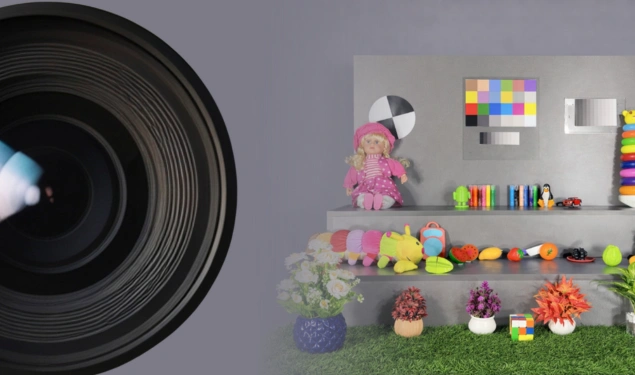
In embedded systems, camera product design faces unique challenges that can undermine image quality and system performance. Issues like chromatic aberration, autofocus failures, and image stitching latency are critical in applications such as drones, medical imaging, and multi-camera VR. Camera design engineering demands precise hardware tuning, custom firmware, and optimized software to overcome these hurdles. Using Yocto-based BSPs, engineers can integrate tailored drivers and algorithms for robust solutions. This blog details five camera-specific problems in camera design and their technical fixes, spotlighting image stitching. Chromatic Aberration in Lens Systems Chromatic aberration in camera design causes color fringing, degrading image clarity
Check out our QNX BSP Demo in the NXP platform here, live in action – Click Here The boot time in the real-time systems should be faster to achieve systems objectives and be reliable enough to meet its demand. QNX Real Time Operating System is a leader in the operating systems market and achieves great results applying advanced methods in boot enhancing without losing functionality and performance. This blog takes a look at six tried and tested strategies QNX normally employs in order to reduce boot time further helping developers create solutions that are always primed and ready for action.
Check out our QNX BSP Demo in the NXP platform here, live in action – Click Here Why Is It Important to Optimise Boot Time? Businesses prefer boot time optimisation as it allows them to enhance user experience as well as operational efficiency. Moreover, for sectors such as automotive, where every passing second counts, quicker boot times offer more responsive systems. Similarly, embedded Linux boot time optimisation provides for enhanced reliability and performance when it comes to ADAS or infotainment systems. The below image vividly illustrates two critical scenarios – defence and medical – where choosing the right operating system
Effective camera design for embedded systems hinges on robust thermal management to ensure reliability and performance. High-resolution image sensors and ISPs generate significant heat, especially in compact devices like IoT cameras or automotive modules. Overheating can degrade image quality, reduce sensor lifespan, or trigger system shutdowns. Camera design engineering involves selecting low-power components, such as CMOS sensors with efficient ADCs, and optimizing PCB layouts with thermal vias. Firmware-level controls, like dynamic frame rate adjustment, further mitigate heat. This blog explores thermal strategies for camera product design, critical for embedded applications. Sensor Selection for Thermal Efficiency In camera design, choosing a
Understanding the Role of a Linux BSP A Linux Board Support Package (BSP) is a critical software layer that enables the Linux kernel to operate on specific embedded hardware. It includes bootloaders, device drivers, and configuration files tailored for a board’s processor and peripherals, such as I2C, SPI, or GPIO. Tools like Yocto and Buildroot simplify BSP creation by providing frameworks to customize kernels and filesystems. The BSP ensures hardware initialization and compatibility, reducing development time for applications in IoT, automotive, and consumer electronics. Without a Linux BSP, developers face manual integration challenges, delaying product launches. A robust BSP is
In the fast-paced world of embedded systems, an Android BSP (Board Support Package) is critical for deploying tailored Android solutions on diverse hardware platforms. From IoT devices to industrial systems and single-board computers (SBCs), Android BSP development ensures seamless integration between the Android operating system and custom hardware. This blog explores the essentials of an Android BSP, its technical components, and practical steps for developers to create optimized, hardware-specific Android solutions. What is an Android BSP? An Android BSP is a specialized software package that enables the Android operating system to run on specific hardware. It serves as an intermediary
You’re designing a printed circuit board with high-speed signals. Suddenly, it’s not a question of simply putting pieces together anymore. It’s a question of getting your signals from point A to point B without delay, interference, or distortion. Welcome to high speed PCB design guidelines. Let’s break down the essentials you need to have a hassle-free and effective high speed PCB layout. Stack Up Layer Configuration Matters First and foremost, your PCB’s stack-up matters. A well-designed layer structure reduces noise and electromagnetic interference (EMI). Signal layers typically fall between power and ground planes. Why? Because it offers a good return
Share Details