

Image Signal Processor in Embedded Vision Systems
Role of the ISP in Camera Systems
The image signal processor is the main part of the computer that turns the raw sensor output into useful image data.
Light hits image sensors, which then turn it into electrical signals. These electrical signals are usually analog, which means they show the raw values that the sensor pixels have found. The ISP turns the electrical signal into a real digital image by going through a number of steps to make the image better.
The steps include fixing the color, lowering the noise, changing the brightness, and changing the contrast. All of these steps are important for making a real picture.
A well-designed ISP pipeline makes sure that the final image is a true picture of the scene, with as little noise or lighting interference as possible.

Imaging Algorithms in Camera Systems
Imaging algorithms constitute the intelligence of modern cameras. While the image signal processor takes care of the basic pipeline, imaging algorithms fine-tune the output based on the demands of the application. Imaging algorithms have been developed to improve the quality of the images in real-time, based on the lighting, motion, and scene conditions.
In the context of embedded vision systems, imaging algorithms coexist with the ISP pipeline. Imaging algorithms have an important role to play in the generation of reliable output. Imaging algorithms have been developed to improve exposure, color, depth, stabilization, noise reduction, etc. Some of the commonly used imaging algorithms have been mentioned below.
3A Algorithms (Auto Exposure, Auto White Balance, Auto Focus)
The 3A algorithms regulate the essential camera parameters for exposure, color, and focus. Auto exposure adjusts the brightness of the image according to the lighting, auto white balance corrects the color, and auto focus makes the subject look sharp and clear.
Low Light Enhancement Algorithms
Low light enhancement is performed by low light enhancement algorithms, which improve the visibility of images in low-light environments by reducing noise, increasing brightness, and improving color. These algorithms preserve essential details of the image and maintain the natural look of the image in extremely low-light environments.
High Dynamic Range (HDR) Algorithms
HDR algorithms take a lot of pictures of the same scene with different exposures. This lets them see details in both the bright and dark parts of the image. This makes the image look more like it was taken in natural light by increasing the overall contrast.
Software Image Processing Pipelines
The software image processing pipeline is an image processing technique for further image enhancement, apart from the hardware ISP image processing techniques discussed above. The image processing pipeline is useful for developing custom image optimization, conversion, and application-specific image processing techniques.
Stereo Vision Algorithms
Stereo vision algorithms figure out the depth information by looking at pictures taken by cameras at different angles. The algorithms use the differences between the images taken by the cameras to figure out how deep the scene is.
Array Camera Processing Pipelines
Array camera algorithms process the images from the cameras to provide various imaging effects. The algorithms provide various effects through the camera images.
Depth Map Generation for ToF Camera
The algorithms in time-of-flight cameras find out how deep something is by measuring how long it takes for light to travel from the camera to the object and back. The algorithms create the depth map, which tells you how deep the object is in the scene.
Why ISP Tuning Is Critical for Imaging Applications
Impact on Image Quality
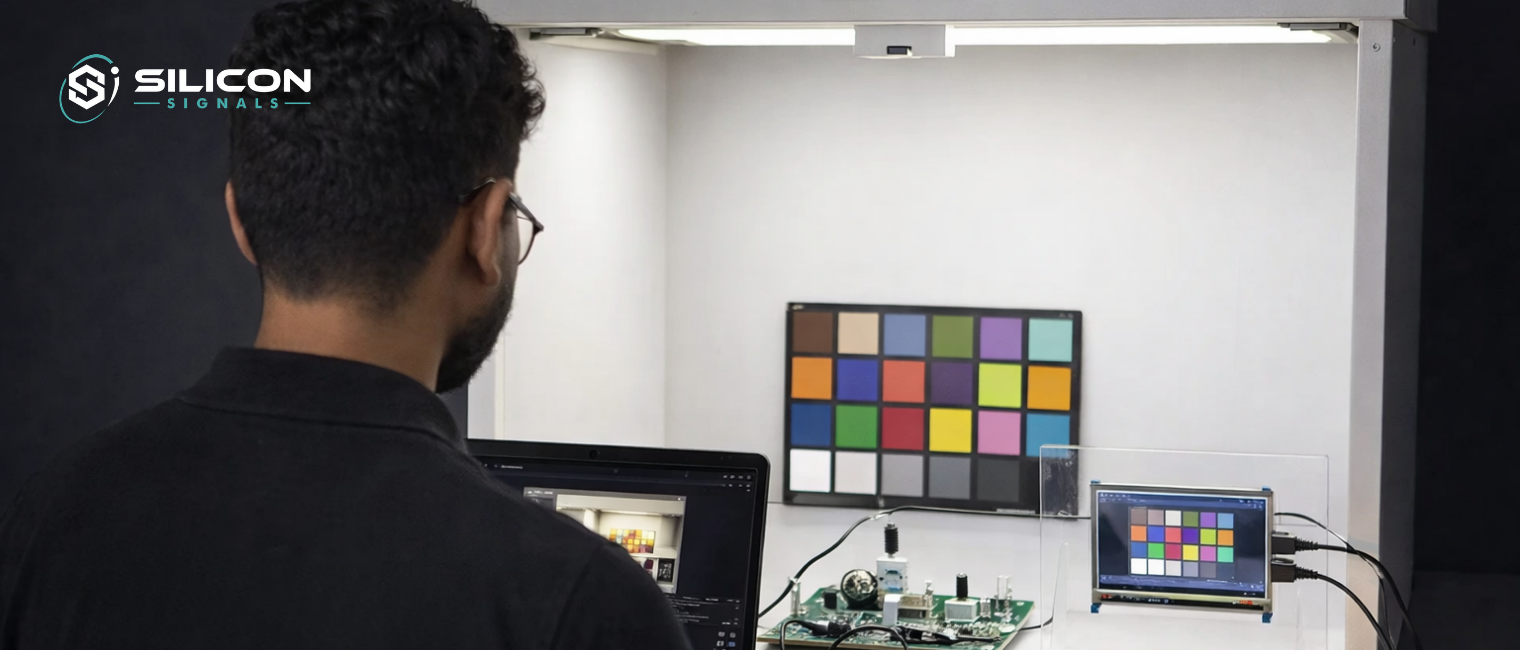
The tuning of the camera ISP has a direct impact on the quality of the final image that is produced by the camera system.
The camera system should not produce images that are either overbright or overdark, or have inconsistent colors. This is applicable to the quality of the images as well as the performance of the computer vision algorithms.
Importance for AI Vision Systems
The most recent AI-based vision systems, for example, need images of high quality. The AI model in the system uses the pattern in the image to find objects, faces, and other things.
The AI model may not be as accurate if the image is of poor quality, has a lot of noise, or shows colors incorrectly.
To give the AI model accurate and consistent data, you need to tune the camera. This will make the whole system more accurate.
Influence on Product Development
For product development teams of camera-enabled devices, ISP tuning is also critical in terms of time to market. Without the right tuning, it is possible to waste a lot of time adjusting parameters and debugging image quality issues.
A well-tuned camera pipeline also helps in accelerating the time to market since it is a reliable platform that works well in different testing environments.
Conclusion
Camera tuning is an important aspect in the processing of the camera sensor output to produce high-quality images that are used in modern embedded vision systems. Although the camera sensor is responsible for capturing the images, the image signal processor is the one that processes the output to produce the final output.
Camera ISP tuning is an aspect that is used to produce high-quality images with the right colors, reduced noise, proper exposure, among other benefits. These are not only quality attributes but are also used to produce reliable outputs in computer vision systems that use the camera output.
With the increased adoption of AI-enabled vision systems in various industries, the need for camera pipelines will continue to increase. This is evident in the use of camera-based
